

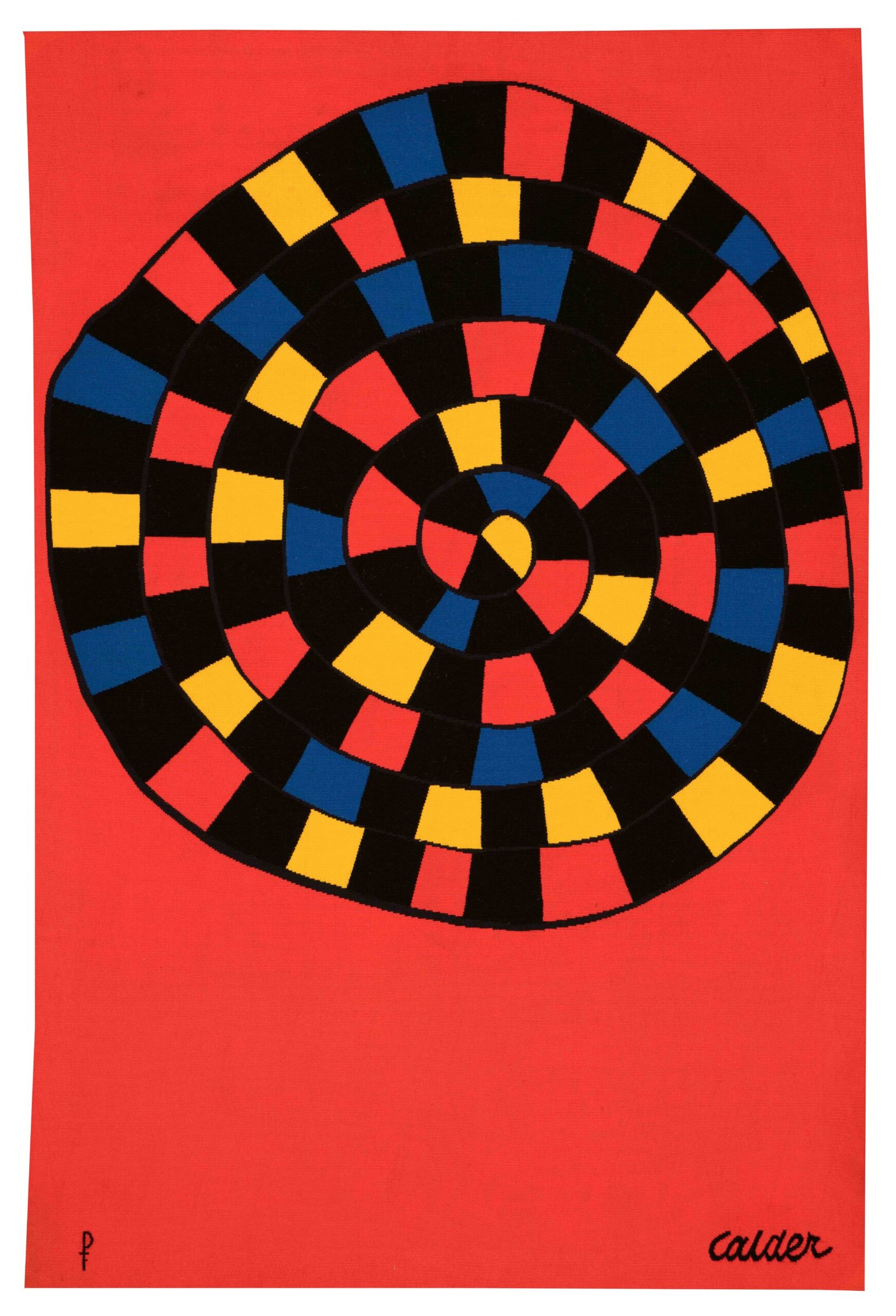
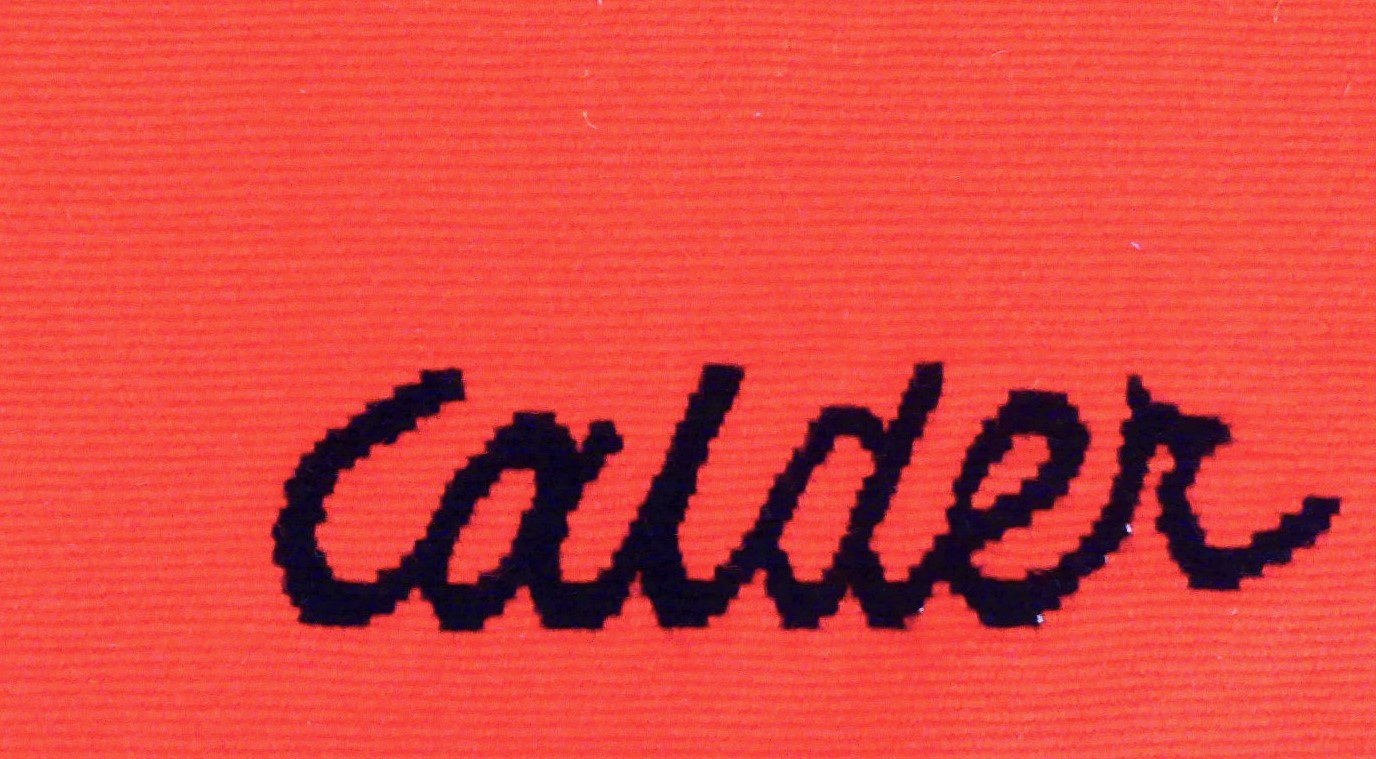
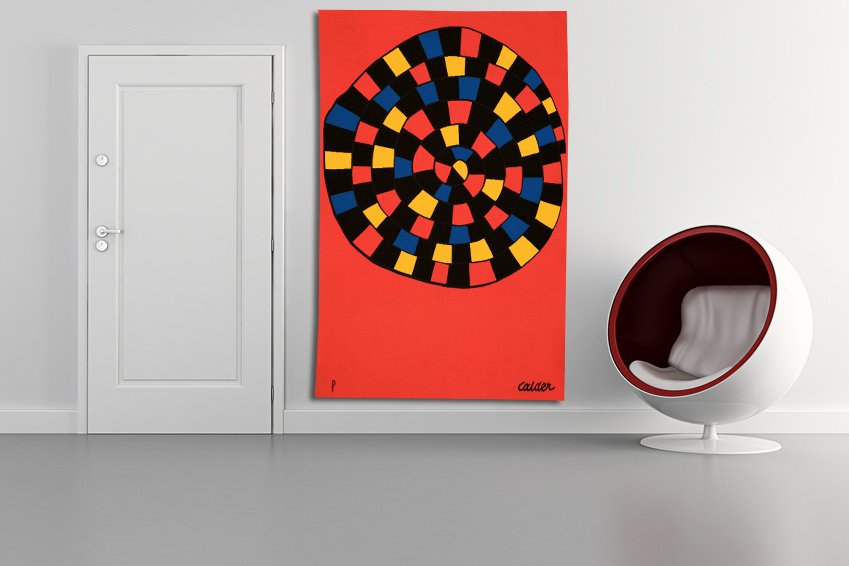
Serpent vitrail (Stained-glass snake)
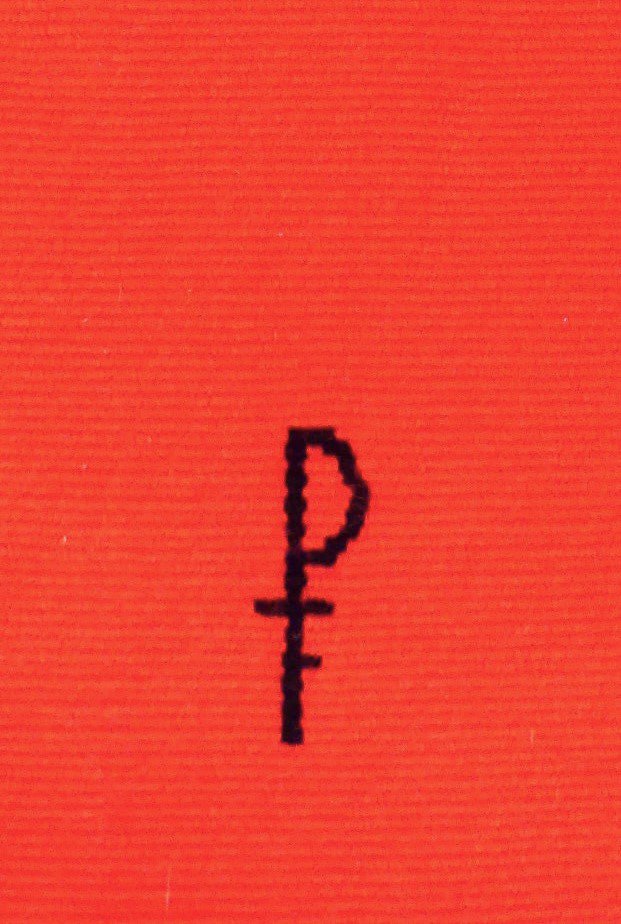
Aubusson tapestry woven by the Pinton workshop.
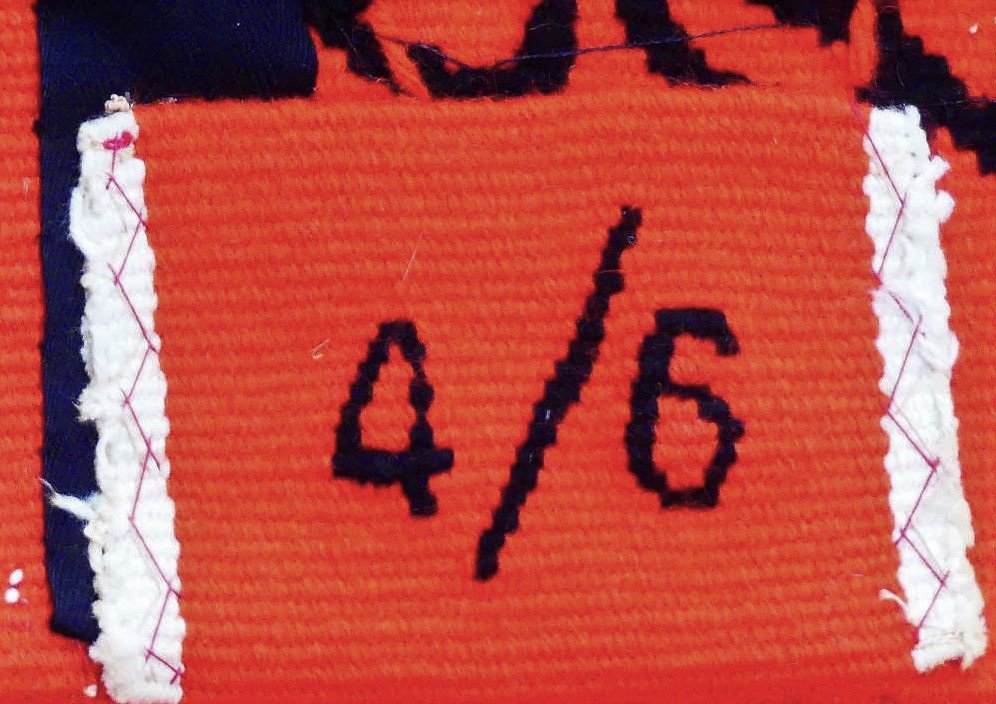
N°4/6.
Circa 1970.
Calder first made a name for himself as a sculptor and then as a painter, but later in life he discovered an enthusiasm for tapestry (having designed rugs for Marie Cuttoli in the 1950’s), after meeting Pierre Baudouin in 1961. It was Baudouin who originally transcribed the first of this artist’s designs, and oversaw their weaving, first of all at the Picard workshop and then at the Gobelins (« Composition » in 1964-1965), of which he had become the artistic consultant in accordance with Malraux’s desire to see contemporary artists of note collaborate with the Manufactures Nationales. Numerous tapestries of this particular artist would from this point on to the end of his life be woven, most notably at the Pinton workshop. “His compositions in very bright colours of large motifs laid against a plain background are reminiscent of the airiness of his mobiles » (M. Jarry, la tapisserie, art du Xxe siècle, 1974).
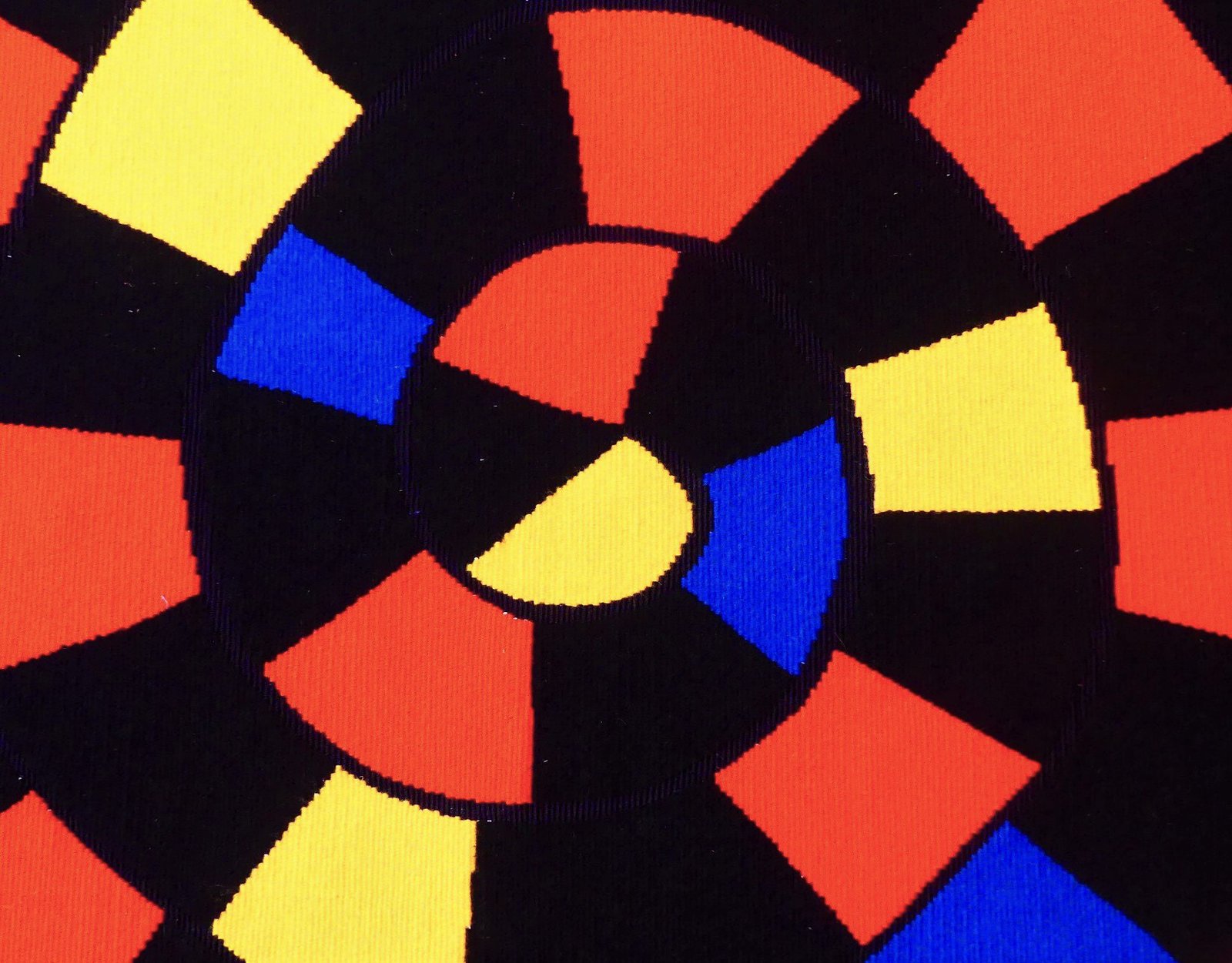
The hypnotic spiral motif (like that of the snake with which it is identified here) is a recurring theme in Calder’s work. The palette of primary colours, accentuated by the red background itself, saturates our tapestry; black fills the gaps, just as the lead frames of the stained-glass window do: in modern interiors, Calder substitutes his ‘Stained-Glass snake’ for the rose windows of medieval cathedrals .
Bibliography :
Exh. Cat. Des sculpteurs et la tapisserie, 20 ans d’abstraction, Angers, Musée Jean Lurçat et de la Tapisserie Contemporaine, 1995
Exh. Cat. Pierre Baudouin, tapisseries de peintres, Angers, Musée Jean Lurçat et de la Tapisserie Contemporaine, 1997
Exh. Cat. Manufactures Nationales de 1960 à nos jours, Angers, Musée Jean Lurçat et de la Tapisserie Contemporaine, 2010


