

2 white, 1 black
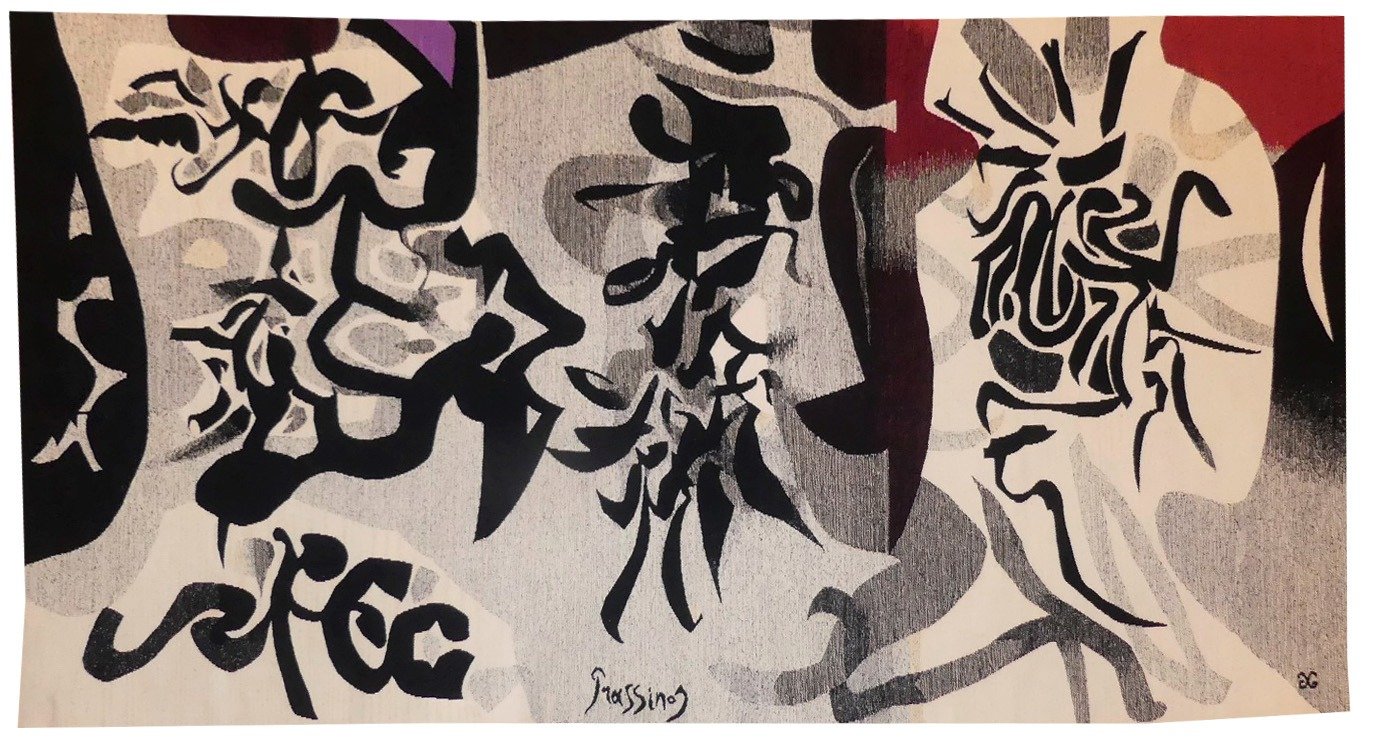
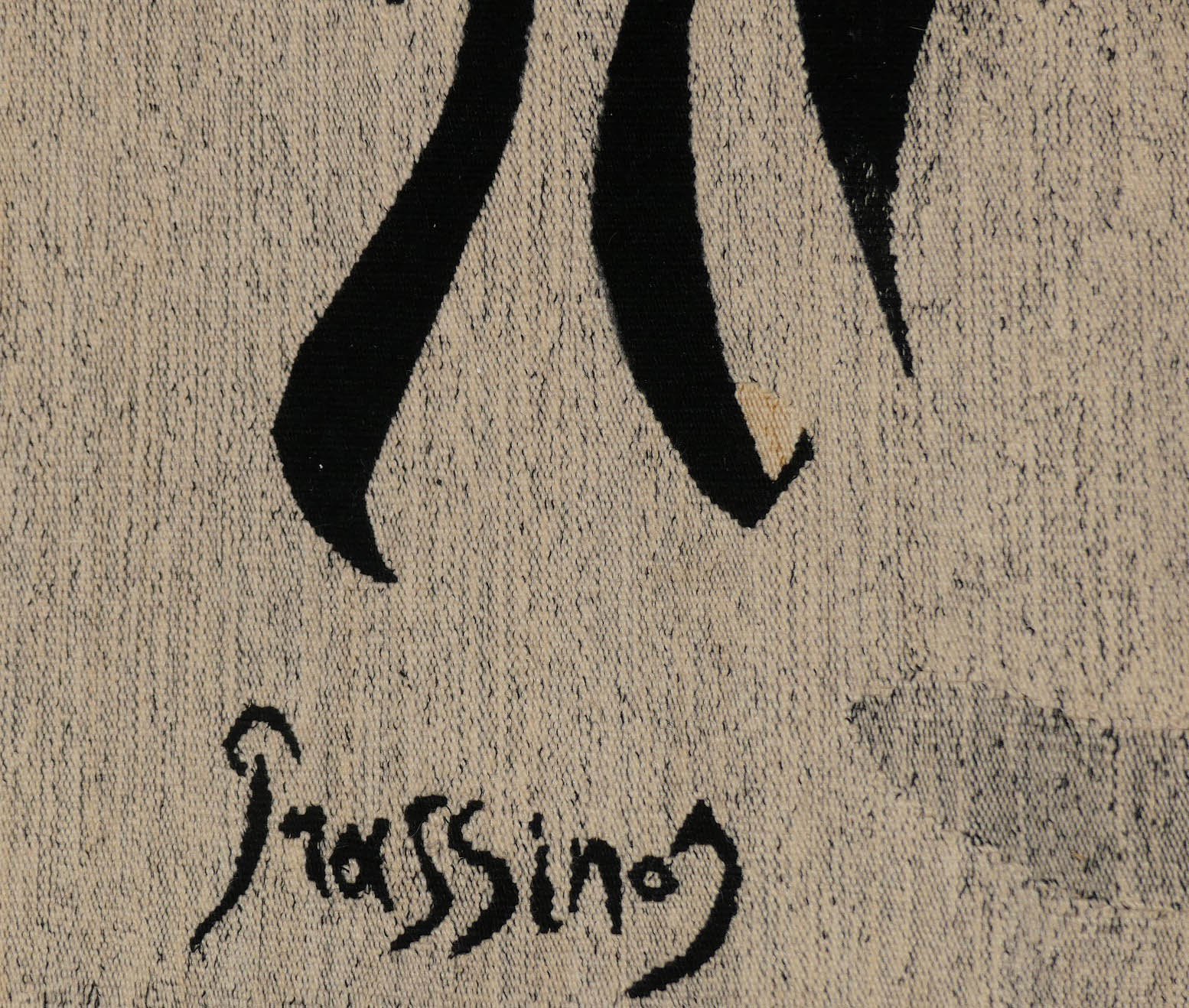
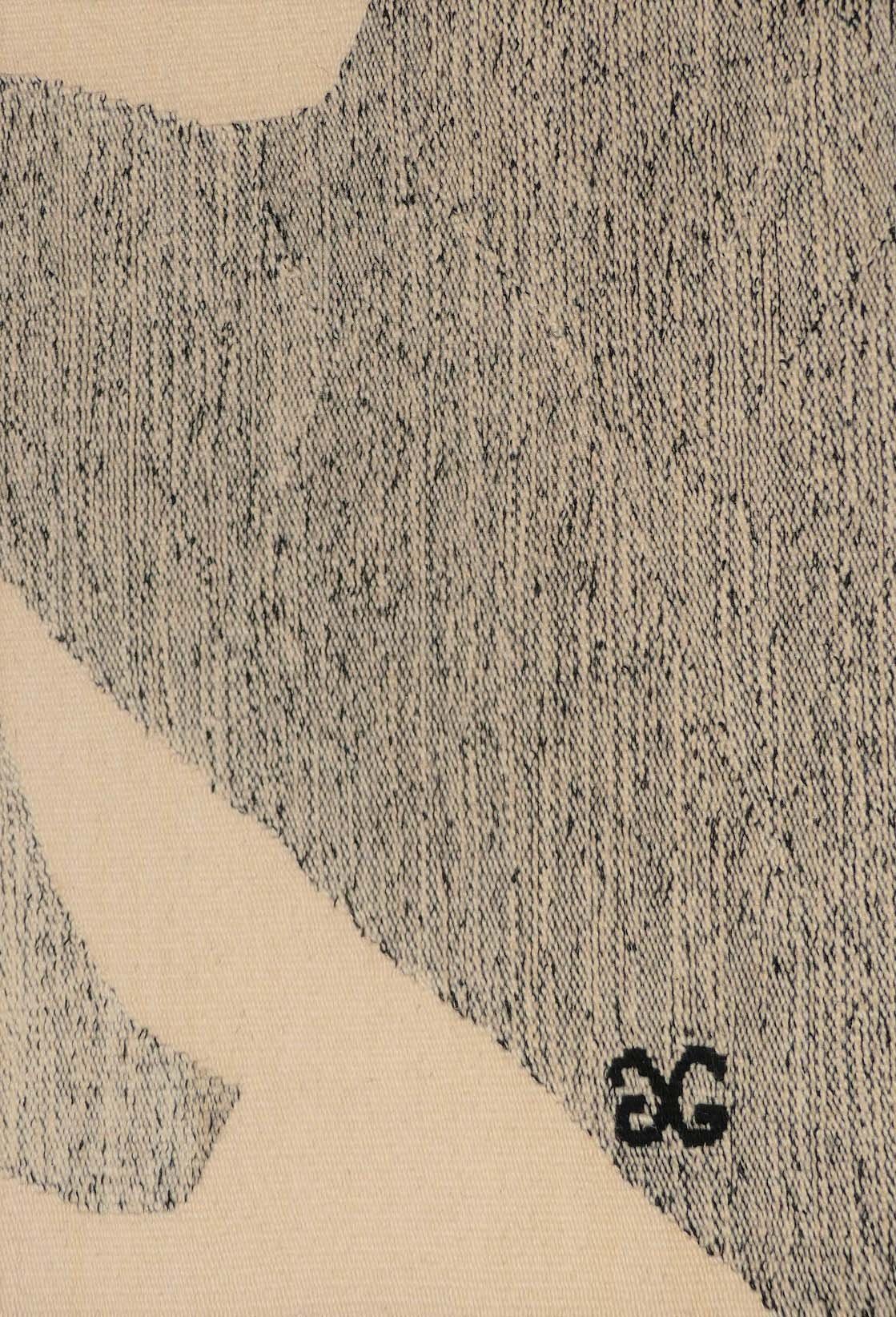
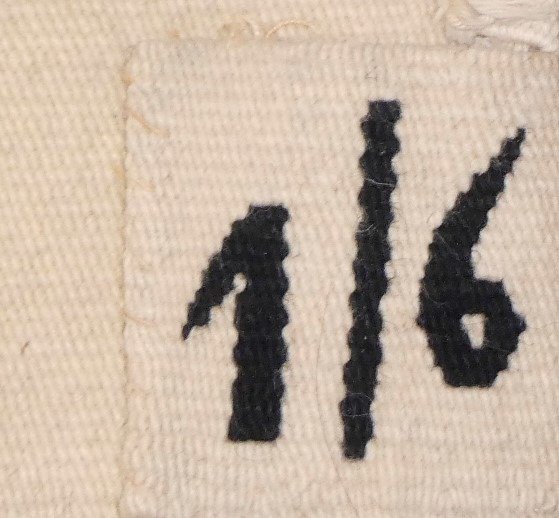
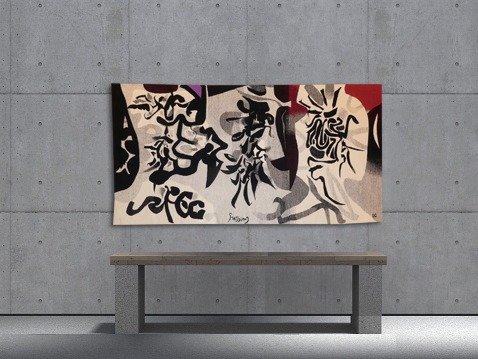
Aubusson tapestry woven by the Atelier Goubely. No. 1/6. 1968.
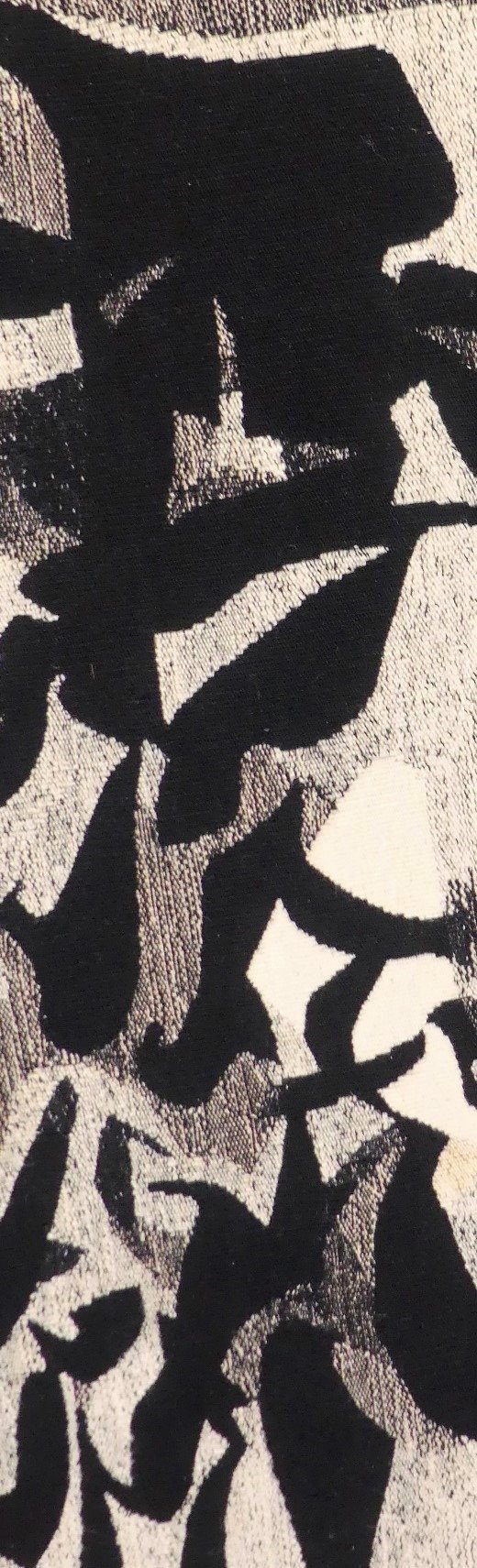
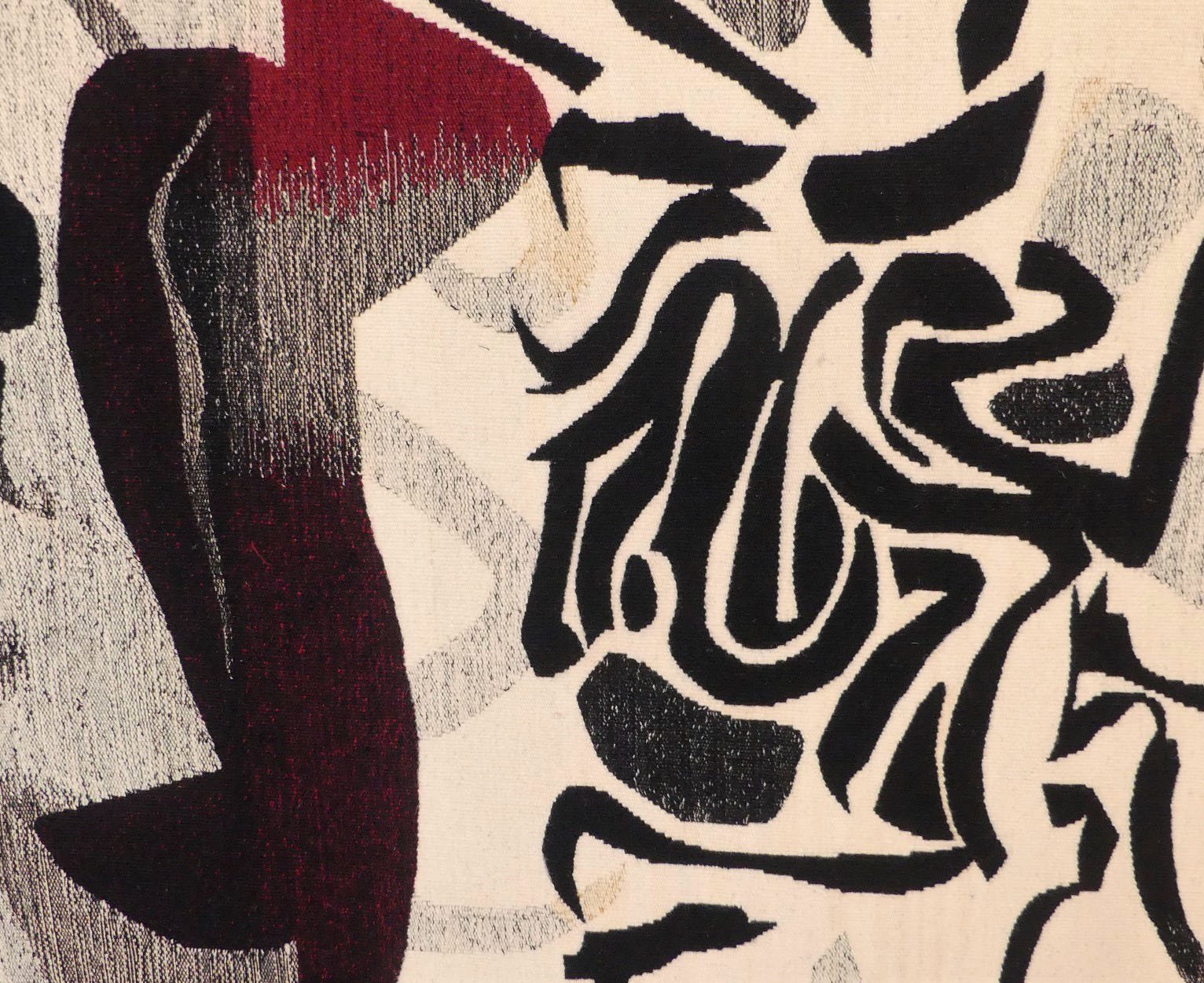
“I became interested in tapestry above all because I was excited by the technique of the numbered Cartoon, which consists in producing a mental, colored image by means of a code…..Tapestry is an essential discipline. As I practiced it, it was perhaps a desire to call into question the smallest details of a work executed on a two-dimensional plane” (remarks collected in Cat. Exp. Prassinos, retrospective of the painted and drawn work, Puyricard, 1983) That is the credo. It was in 1951 that Prassinos made his first Cartoons (most of them, around 150, were woven by the Atelier Goubely); he then joined the A.P.C.T. (Association of Painters-Cartoonists for Tapestry). After a few Cartoons on the theme of birds, Prassinos, like other artists close to Lurçat nonetheless (Matégot, Wogensky,…), resolutely turned tapestry toward abstraction, in a personal style of sinuous, interlocking forms, in contrasting tones (often within a palette of black-red-brown-beige). In this Cartoon, one finds the artist’s typically abstract, complex, interlocking forms, as well as his delicate play of grey chinés, carried here to its fullest. The near-bichromy and the three-part composition, as indicated by the title, were, at the time, more rare—awaiting “the 3 P” or “Parc.” Bibliographie : Cat. Expo. Mario Prassinos, œuvre tissé, Galerie la Demeure, 1961 Cat. Expo. Prassinos, Tapisseries monumentales, abbaye de Montmajour, Arles, 1974 Mario Prassinos, œuvre tissé, La Demeure, 1974, ill. n°100 Cat. Expo. Mario Prassinos, Tapisseries, Aubusson, Musée départemental de la Tapisserie, 1984 Cat. Expo. Prassinos, Tapisseries, Angers, Musée Jean Lurçat et de la Tapisserie Contemporaine, 1988


