

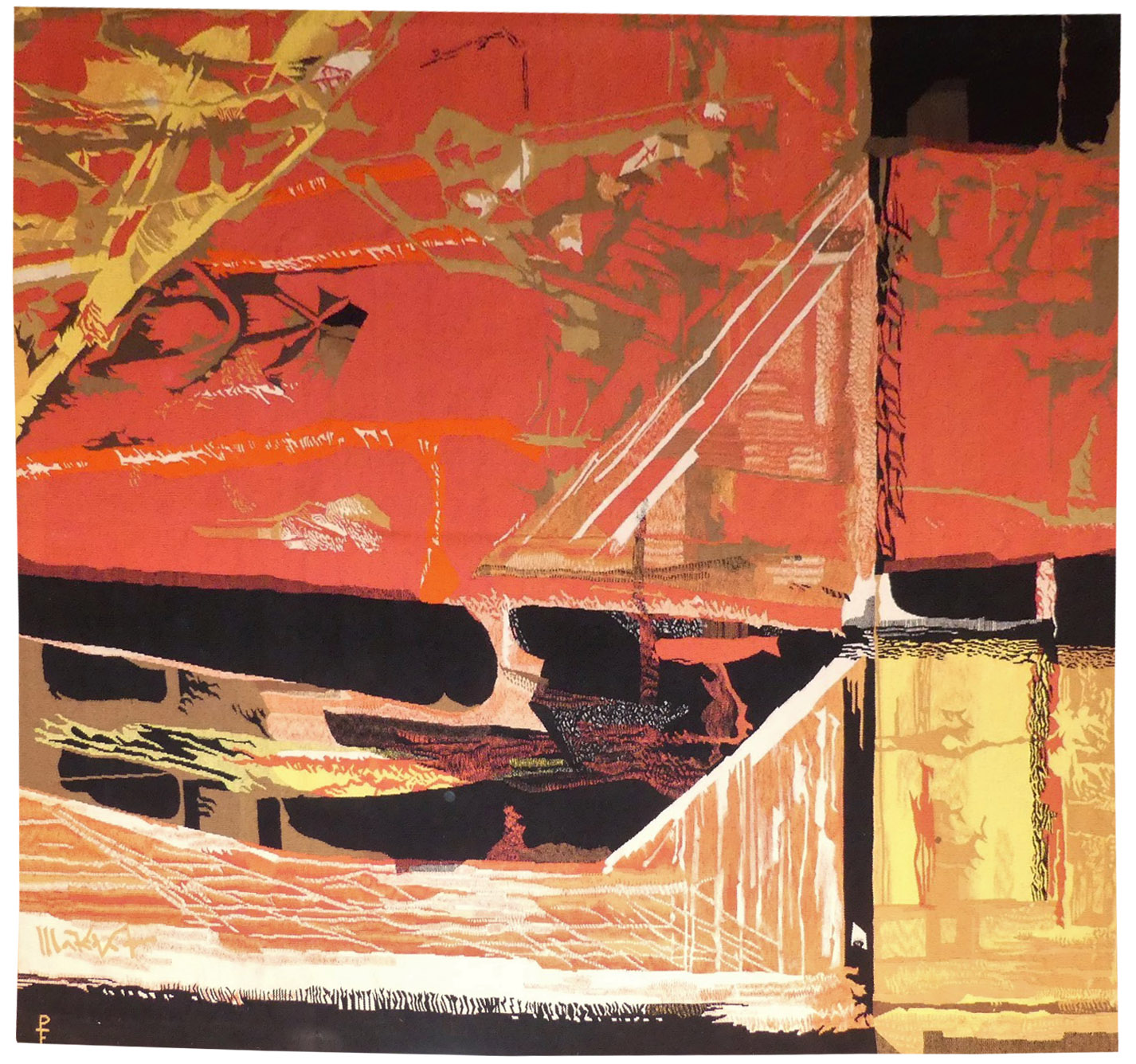
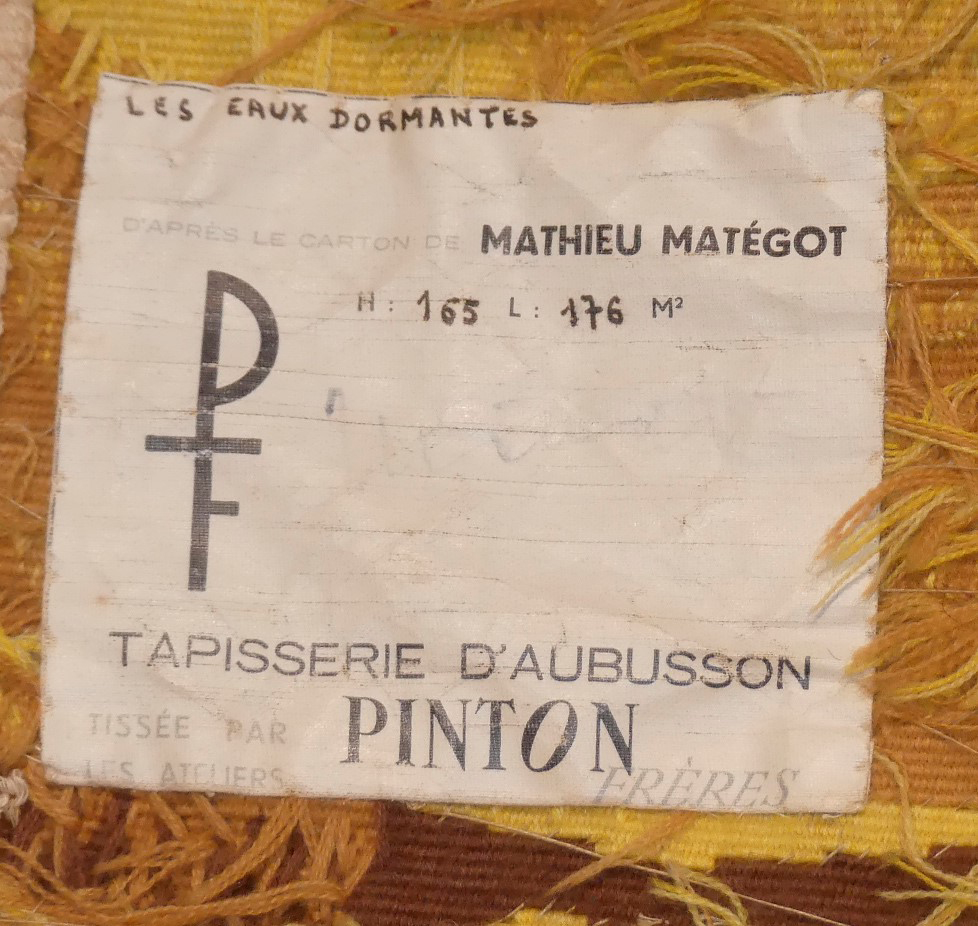

Les eaux dormantes (sleeping waters)
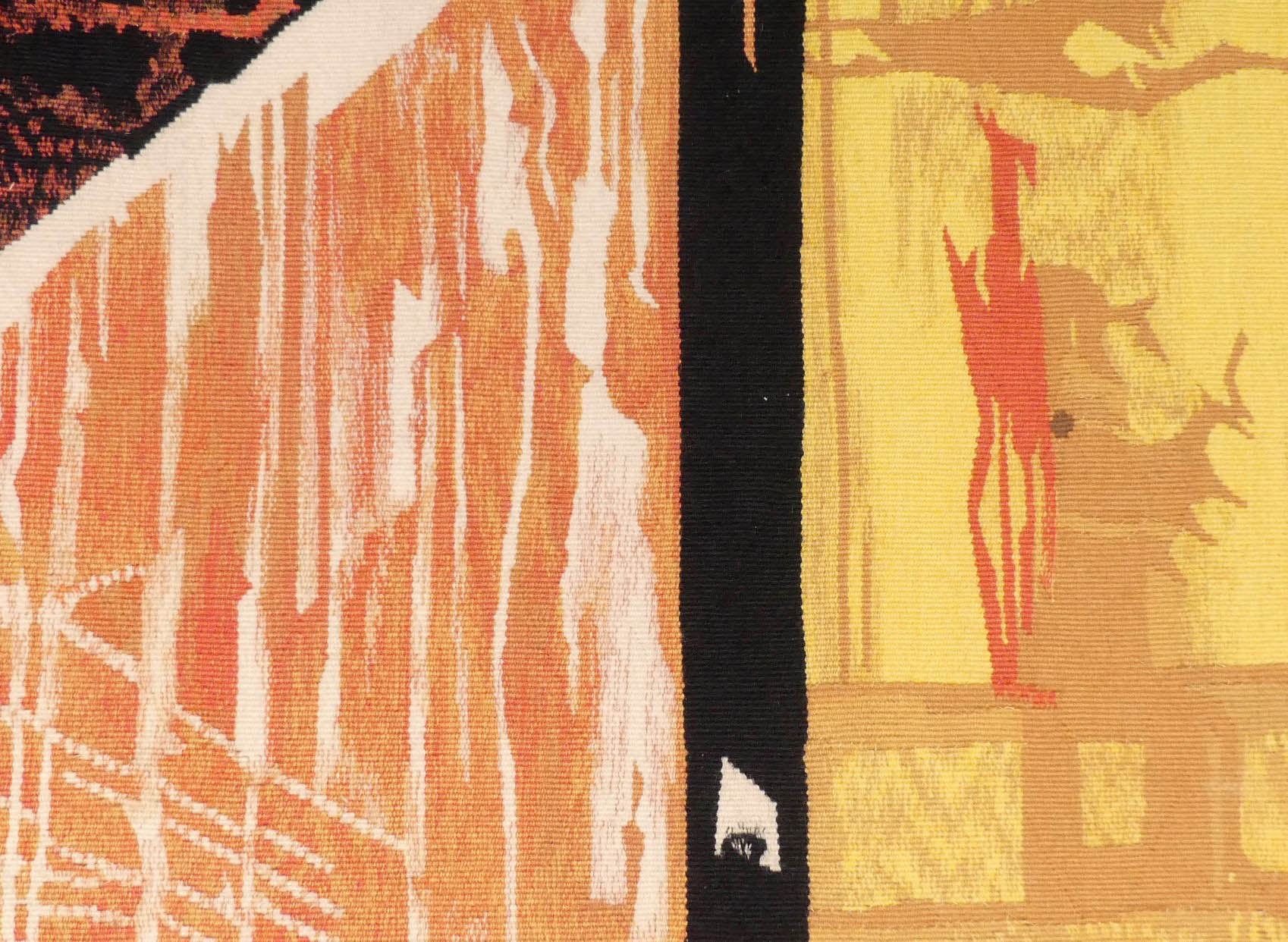
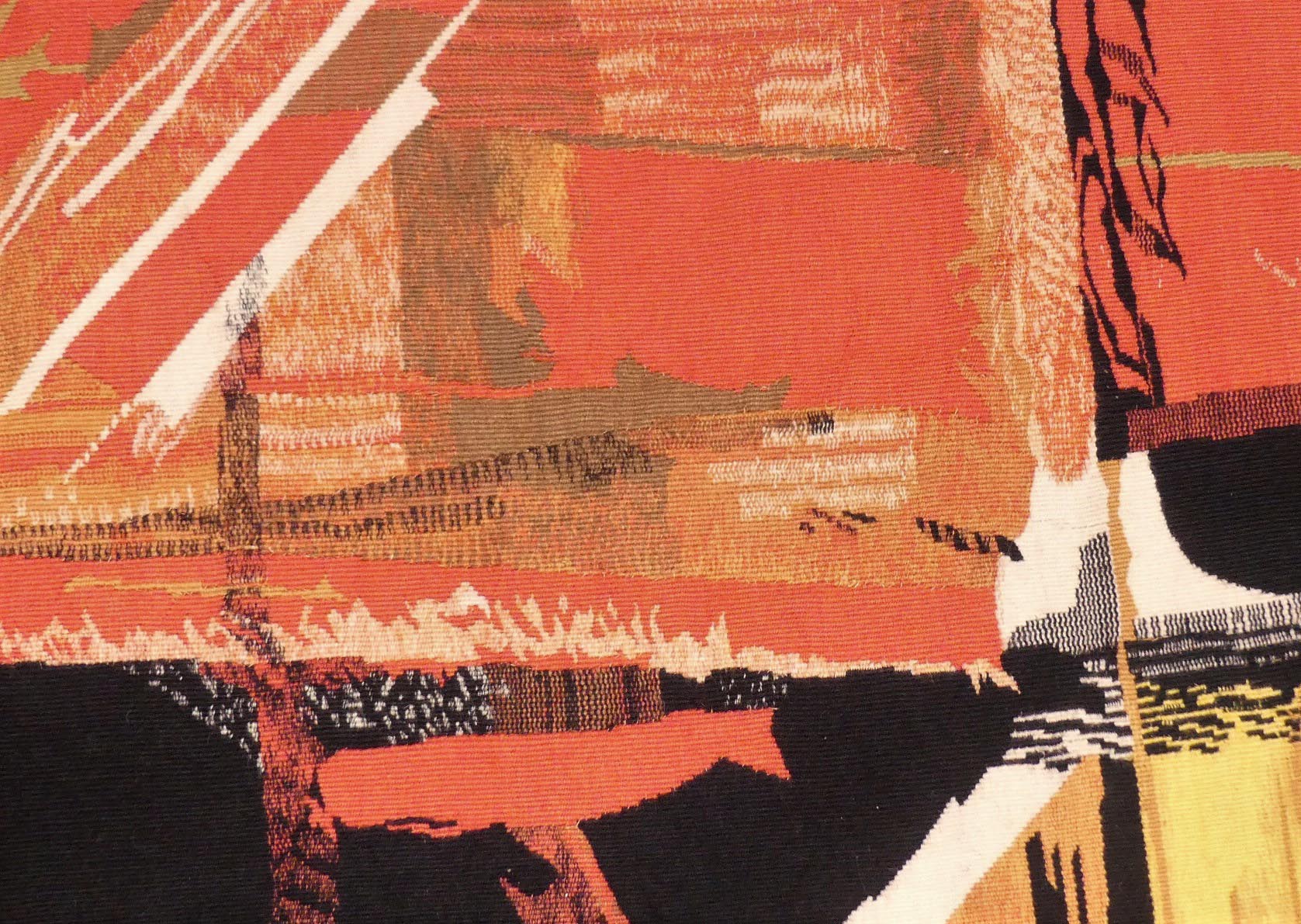
Aubusson tapestry woven by the Pinton workshop.
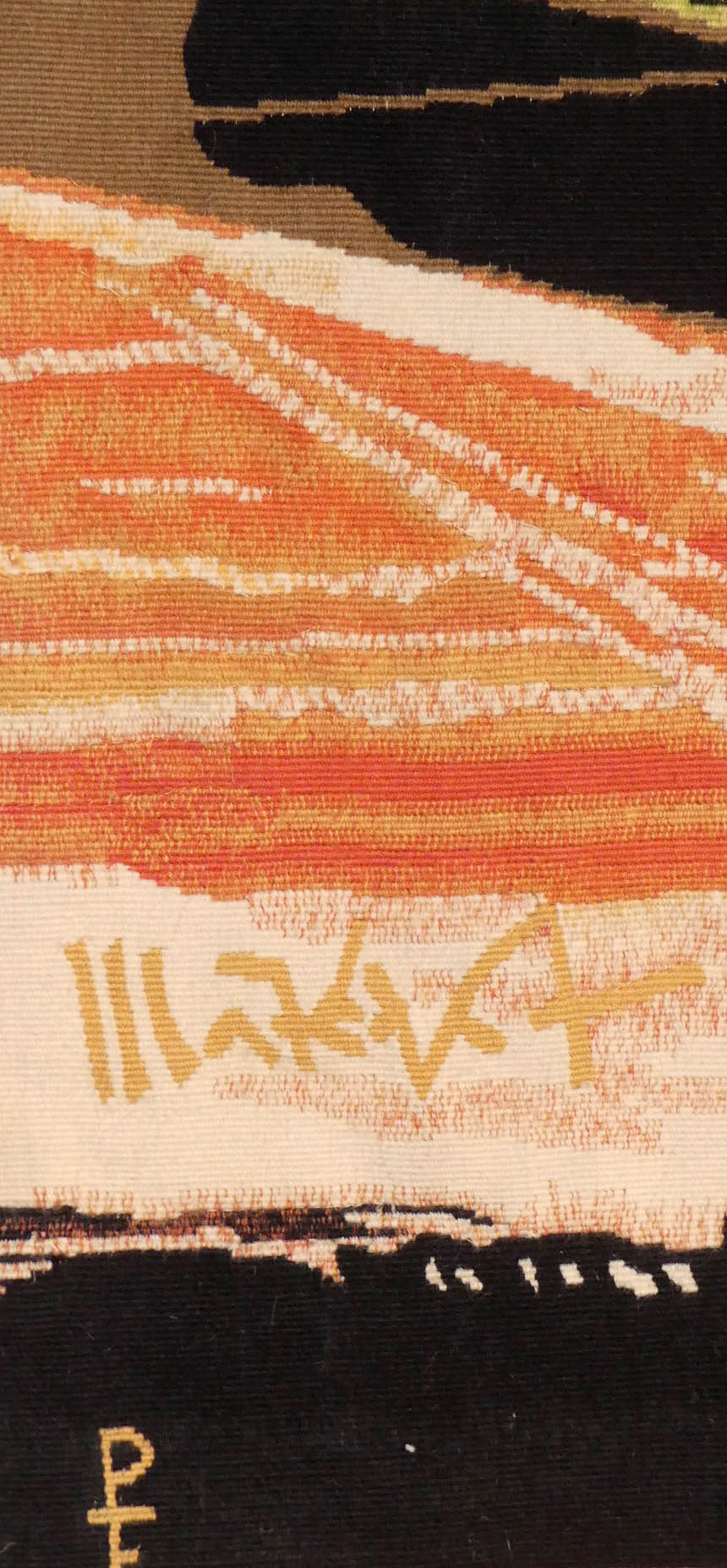
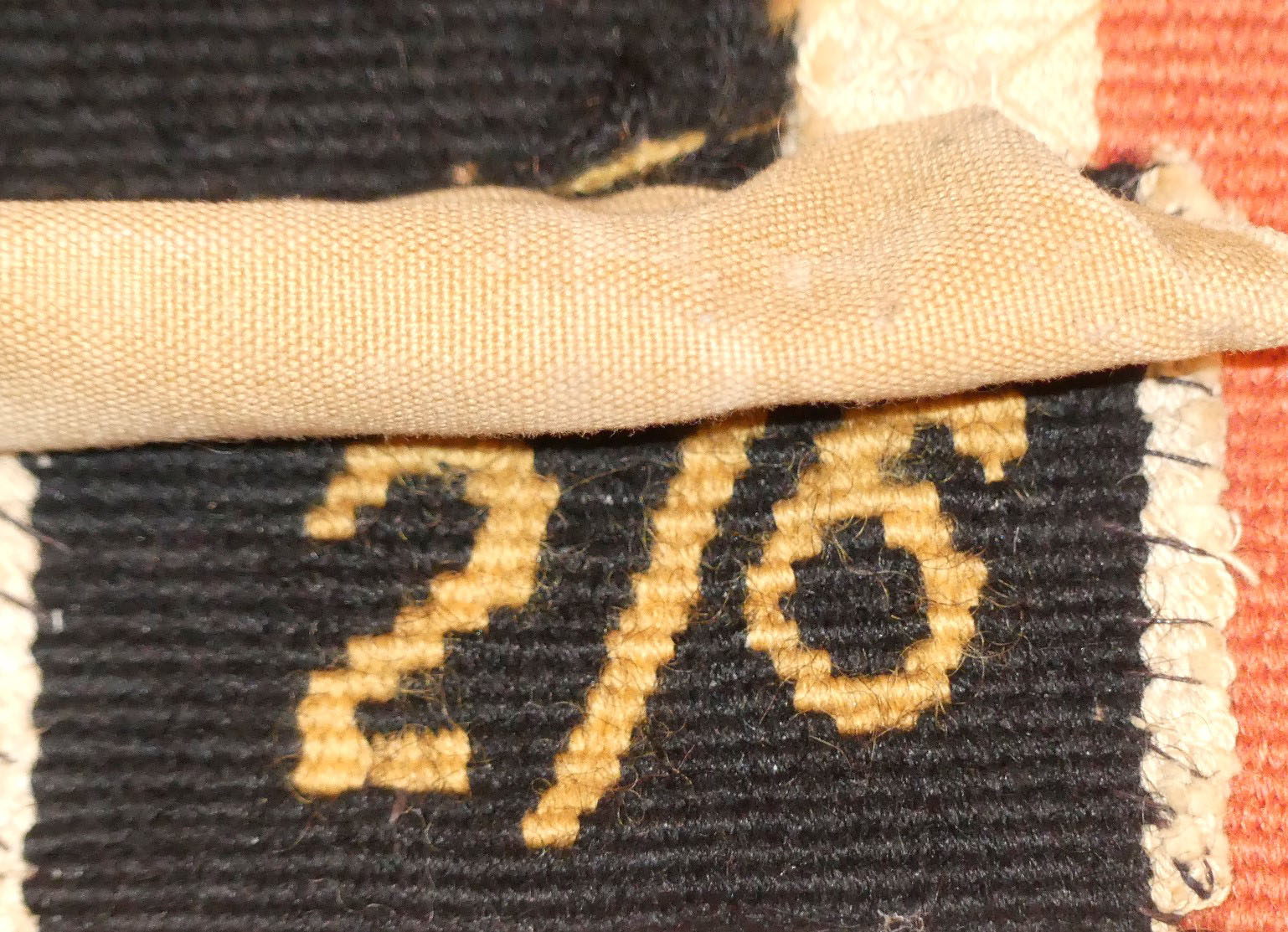
With signed label, no. 2/6.
Circa 1970.
Matégot, originally a decorator, then creator of artefacts and furniture (an activity he abandoned in 1959) met François Tabard in 1945 and gave him his first cartoons, first of all figurative then rapidly of abstract design in the 1950’s. He became a member of the A.P.C.T. (Association des Peintres Cartonniers de Tapisserie) in 1949, participated in many international exhibitions (Matégot, like Lurçat before him, was an untiring advocate of the art of tapestry) fulfilled numerous public commissions, sometimes of monumental proportions (“Rouen” 85m2 for the Préfecture of the Seine Maritime département, and also tapestries for Orly Airport, for the Maison de la Radio, for the IMF…) and designed no fewer than 629 cartoons up until the 1970’s. In 1990 the Matégot foundation for contemporary tapestry was inaugurated in Bethesda, U.S.A. Matégot is an artist, like Wogensky, Tourlière or Prassinos, who turns wool textiles resolutely towards the abstract: at first lyrical, geometric in the 70’s, exploiting various technical aspects of the loom : colour graduations, shading, irregularities…
In these « sleeping waters » Matégot invites us into a familiar contrast in his universe between obscurity and brightness, darkness and light : a luminous abstraction revolving around red, yellow and black, a chromatic range that seems far removed from the title.
Bibliography :
Exhibition catalogue, Matégot, Angers, Musée Jean Lurçat et de la Tapisserie Contemporaine, 1990-1991
Patrick Favardin, Mathieu Matégot, Editions Norma, 2014
Exhibition Catalogue, Lurçat/Matégot, Face à face, Paris, Galerie Chevalier, 2019


